
Aidan Mala

IT professional

Tag: Python

  • Computer Vision: Geometric Image Warping and DLT-Based Stitching

    Computer Vision: Geometric Image Warping and DLT-Based Stitching

    The following task, stitch the two following images together. How hard could it be?

    The approach that is going to be used in this post is to estimate a 3×3 homography matrix using the Direct Linear Transform (DLT) algorithm.

    [xCwyCww]=[h11h12h13h21h22h23h31h32h33][xRyR1]\left[ \begin{matrix} x^C w \\ y^C w \\ w \end{matrix} \right] = \left[ \begin{matrix} h_{11} & h_{12} & h_{13} \\ h_{21} & h_{22} & h_{23} \\ h_{31} & h_{32} & h_{33} \end{matrix} \right] \left[ \begin{matrix} x^R \\ y^R \\ 1 \end{matrix} \right]

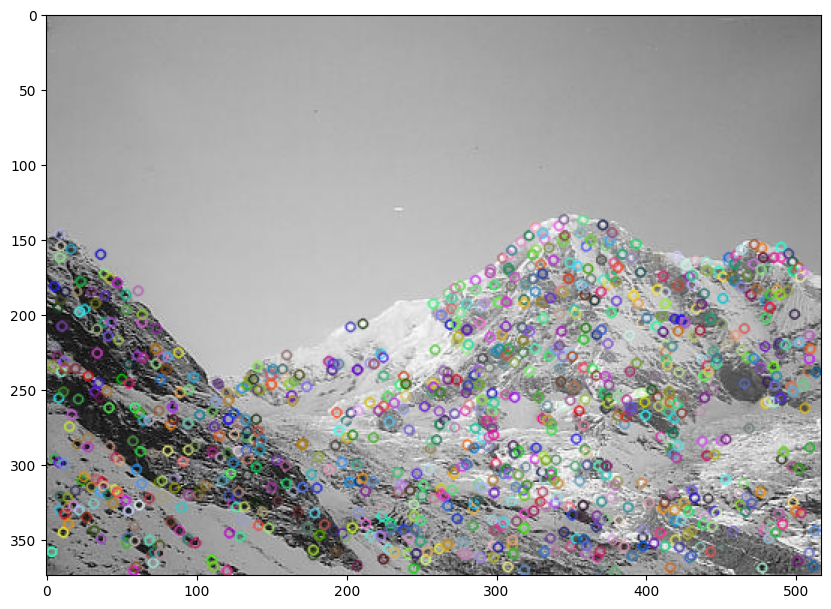
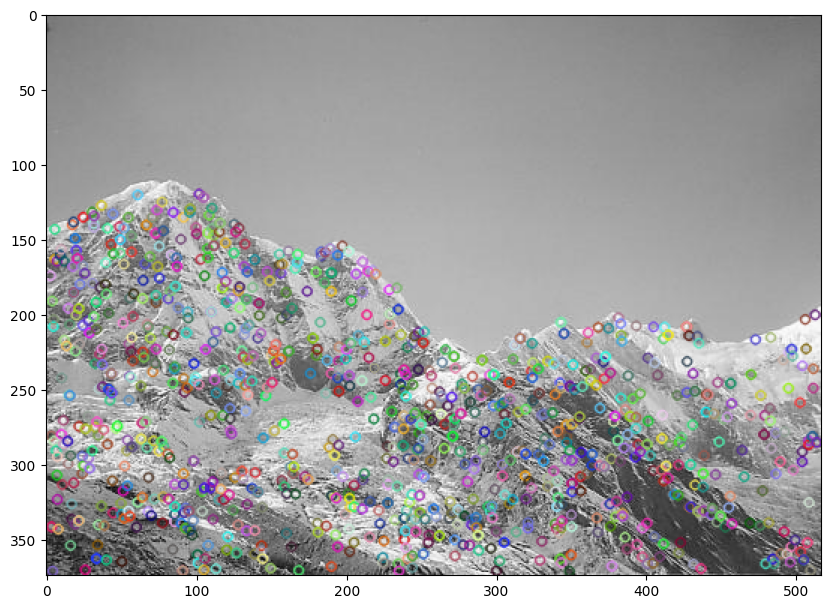
    We then detect the SIFT features

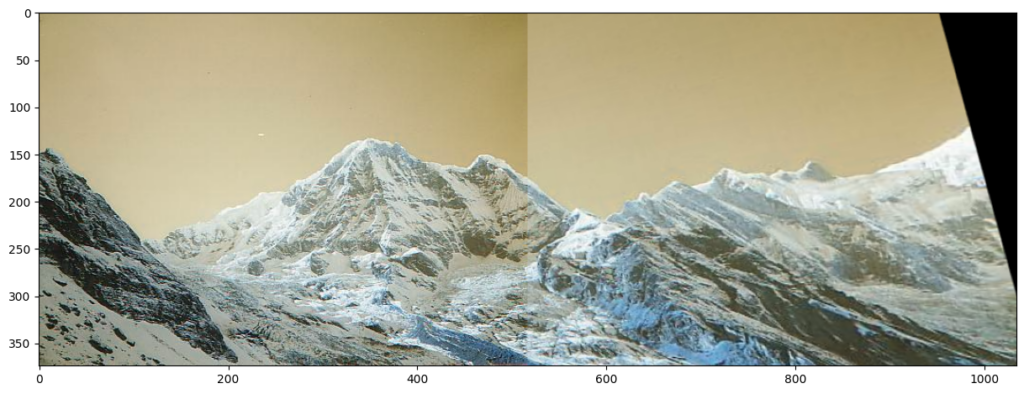
    Using the resulting homography matrix, we can stitch the two images together
  • Detecting the Doubt Effect Using overparameterized Deep Neural Networks and Observers’ Pupillary Responses

    Detecting the Doubt Effect Using overparameterized Deep Neural Networks and Observers’ Pupillary Responses

    Exploring the effectiveness of overparameterization when applied to complex human data.

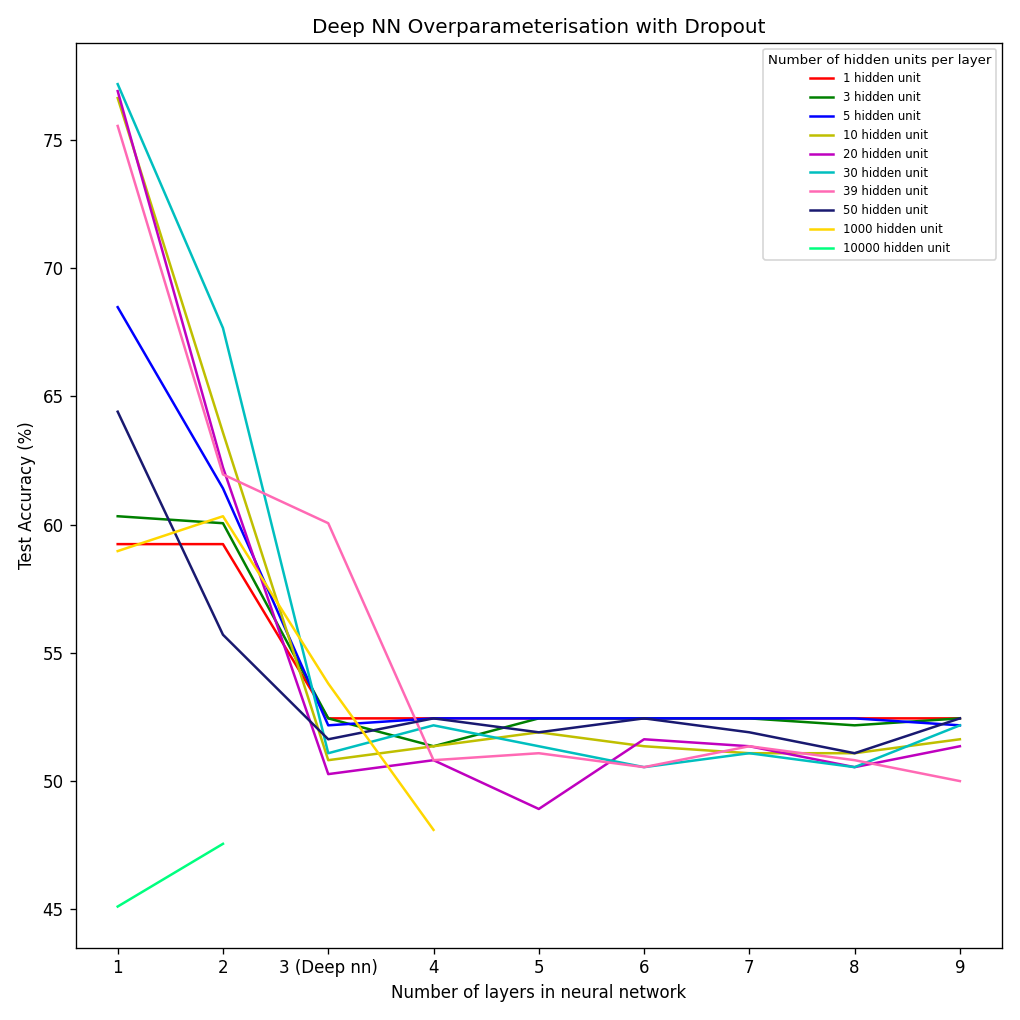
    I investigated the application of deep neural networks trained on pupillary responses to identify manipulated beliefs or doubt, which outperformed human veracity judgments. Humans struggle to recognize dishonesty consciously, with an average accuracy of 54%. The pivotal observation emerges when we consider the power of overparameterization taking a deep learning approach. This study suggests that deep neural networks that are overparameterized may unlock significantly enhanced predictive capabilities. Future research should explore this phenomenon further, potentially yielding results that outperform previous research in this field.